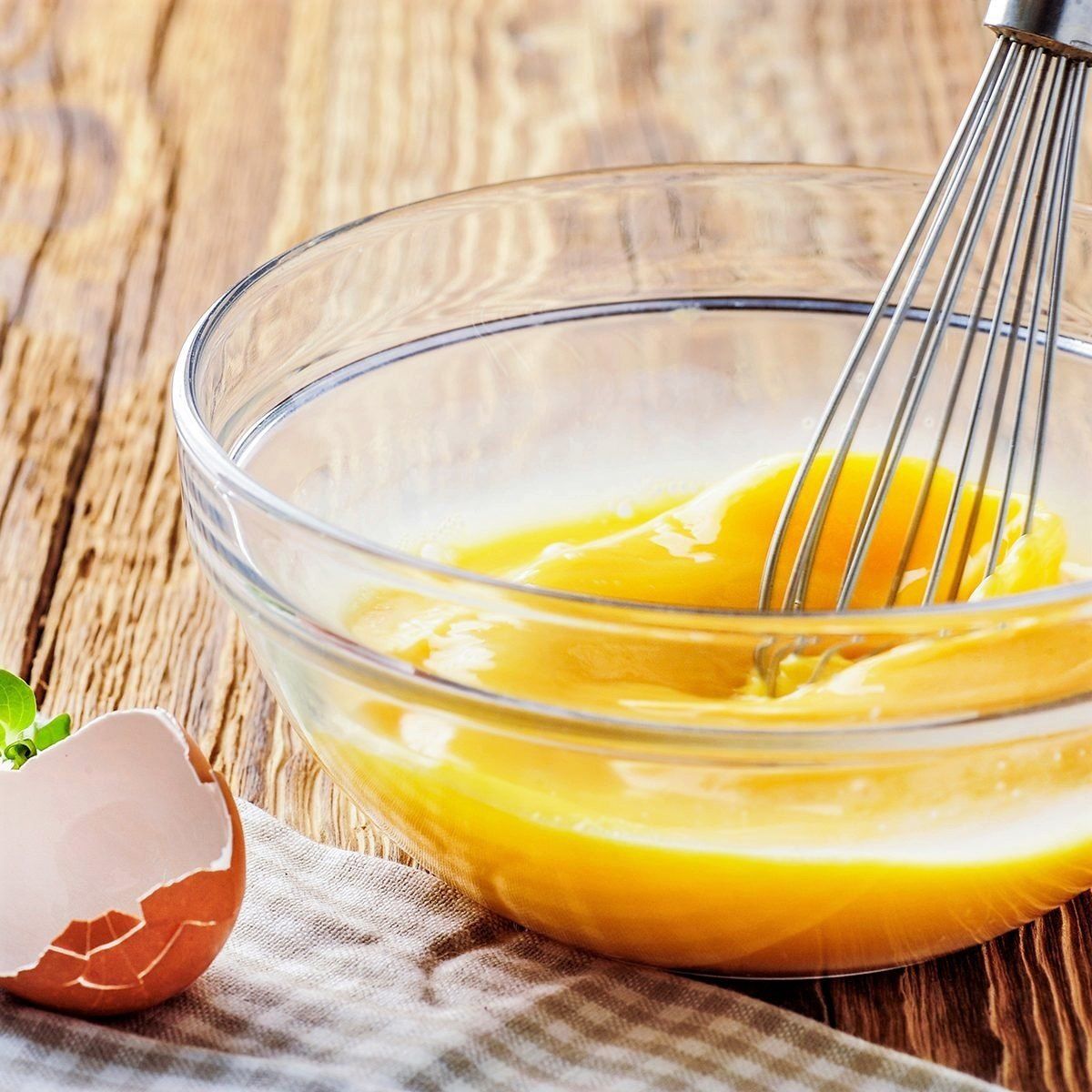
Pasteurized liquid eggs are shell-free eggs prepared for direct use in professional kitchens and food production.
The product undergoes controlled technological processing, including homogenization and pasteurization, to ensure consistent quality and reduced microbiological risk. This format is widely used in bakeries, confectionery production, sauces, and ready-meal manufacturing where speed, repeatability, and predictable results are essential.
Liquid eggs eliminate several manual operations such as washing, cracking, and separating yolks from whites. Removing these steps reduces labor time and improves workflow efficiency while minimizing the risk of human error during preparation.
The product maintains the taste, texture, and functional properties of fresh eggs while offering improved safety and convenience. With controlled processing and practical packaging, liquid eggs provide a reliable ingredient for both professional kitchens and industrial food production.
Why our clients love us
Benefits
Why you should choose Pasteurized Liquid Eggs
01
Consistent quality and safety
Pasteurization and homogenization ensure stable product quality and reduced microbiological risks. After processing, strict hygiene standards protect the product from re-contamination, while controlled refrigeration maintains freshness and safety. This guarantees reliable performance in professional food production.
02
Faster preparation and easier workflow
Liquid eggs remove time-consuming shell handling processes such as washing, cracking, and separating. Kitchens and production lines can work faster and more efficiently with a ready-to-use ingredient. Liquid egg white, for example, is widely used in bakeries and confectionery production for creams, meringues, marshmallow, soufflé, and other desserts.
03
Cleaner production and less waste
Using liquid eggs eliminates shell waste and simplifies sanitation control in food preparation areas. The production process becomes cleaner and easier to manage, reducing contamination risks and improving overall hygiene standards. Controlled packaging and storage also help extend shelf life and maintain product quality.